
Exploring the Grand Canyon: A Majestic Wonder of Nature
The Grand Canyon, located in the state of Arizona, is one of the most renowned natural landmarks in the world. It is a breathtaking geological formation that stretches over 277 miles (446 kilometers) in length, up to 18 miles (29 kilometers) in width, and reaches depths of over a mile (1.6 kilometers) at its deepest point. As a UNESCO World Heritage Site and one of the Seven Natural Wonders of the World, the Grand Canyon attracts millions of visitors from all over the globe each year. Its immense size, stunning vistas, and rich geological history make it an unforgettable destination for tourists of all types.
The Geological Significance of the Grand Canyon
The Grand Canyon is a masterpiece of nature that has been millions of years in the making. Its distinct layers of rock reveal a timeline of Earth’s geological history, with some layers dating back nearly two billion years. The canyon was carved primarily by the Colorado River, which continues to shape the landscape today. Over millions of years, the river, combined with the forces of erosion and tectonic activity, cut through the earth’s surface, creating the vast, multicolored rock formations and deep ravines that we see today.
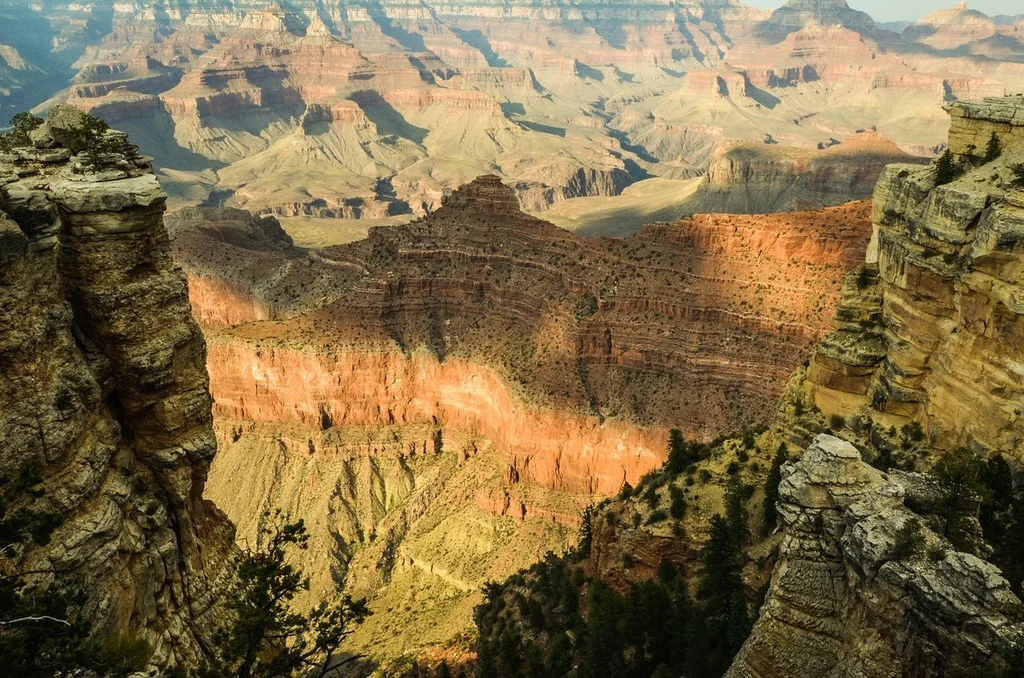
One of the most remarkable features of the Grand Canyon is the stratification of its rock layers. Visitors can observe a wide array of colors, from the deep reds and oranges of the Redwall Limestone to the pale yellows and grays of the Bright Angel Shale. These rock layers not only contribute to the canyon’s beauty but also offer a visual record of the Earth’s geological past, providing scientists with a wealth of information about ancient climates, environments, and ecosystems.
Scenic Views and Hikes
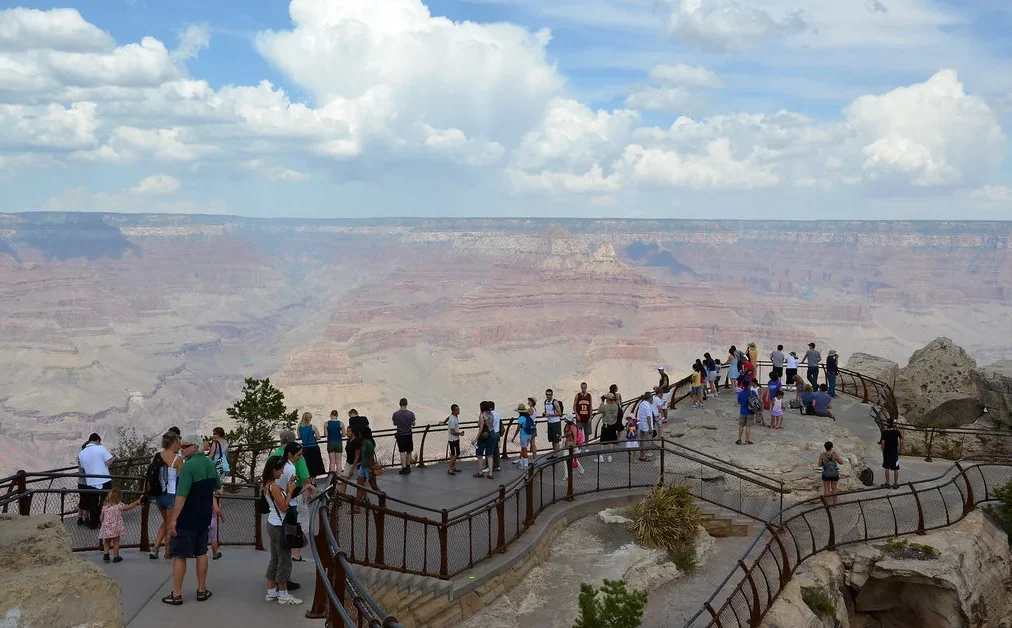
For visitors, the Grand Canyon offers a wealth of scenic viewpoints and hiking trails, each providing a unique perspective of the canyon’s awe-inspiring beauty. The South Rim is the most accessible and popular destination, offering several breathtaking viewpoints, including Mather Point, Yavapai Point, and Grandview Point. These viewpoints provide panoramic views of the canyon’s vastness, and at sunrise and sunset, the canyon is bathed in golden light, creating an unforgettable sight.
The North Rim of the Grand Canyon, while less visited, offers an equally spectacular experience. Accessible from mid-May to mid-October due to snow in the winter, the North Rim provides more secluded and quieter vistas. Cape Royal and Point Imperial are two prominent viewpoints offering stunning panoramas of the canyon, with the Colorado River visible below.
For those seeking a more active experience, hiking is one of the best ways to explore the Grand Canyon. There are trails suitable for all levels, from easy walks along the Rim Trail to challenging descents into the canyon itself. The most famous of these trails is the Bright Angel Trail, which leads to the Colorado River and offers spectacular views along the way. For experienced hikers, the South Kaibab Trail offers a steeper, more strenuous descent, but it rewards adventurers with incredible views of the canyon’s depths.

For those who are physically fit and adventurous, the ultimate challenge is hiking to the river and back in a single day. However, it’s important to remember that the descent into the canyon is much easier than the challenging ascent, and hikers should be prepared for extreme temperatures, limited water access, and a physically demanding journey.
Rafting the Colorado River
One of the most exhilarating ways to experience the Grand Canyon is by rafting down the Colorado River. The river runs through the entire length of the canyon, and whitewater rafting offers a thrilling way to see the canyon from a completely different perspective. Rafting trips range from half-day excursions to multi-day adventures, allowing visitors to explore the rugged beauty of the canyon from its base. While the rapids can be intense, the experience of floating through the canyon’s towering rock walls and past waterfalls is truly unforgettable.

Rafting the Grand Canyon requires booking through authorized outfitters, as permits are limited and highly sought after. It’s advisable to plan ahead and secure a spot well in advance, as trips can fill up quickly, especially during peak season.
Visiting the Grand Canyon as an International Tourist
For international tourists planning a trip to the Grand Canyon, there are several important considerations to ensure a smooth and enjoyable visit.
1. Best Time to Visit
The Grand Canyon experiences varying weather conditions throughout the year, with hot summers and cold winters. The peak tourist season typically runs from mid-May to mid-October, when the weather is more temperate and all trails and viewpoints are accessible. However, this also means the park can become crowded, so visitors should plan ahead and consider booking accommodations and tours in advance.
Winter (November to March) is a quieter time to visit, especially on the South Rim. While snow is common in the winter months, this creates a magical atmosphere as the canyon’s rocky formations are dusted with snow, offering stunning contrasts against the red rock. However, some trails and roads may be closed due to weather conditions, particularly on the North Rim.
2. Traveling to the Grand Canyon
The Grand Canyon is easily accessible from major cities in the United States, including Las Vegas, Phoenix, and Flagstaff. The closest airport to the Grand Canyon is Flagstaff Pulliam Airport (FLG), located about 80 miles (128 kilometers) away from the South Rim. The most convenient way to reach the Grand Canyon from the airport is by car, with many rental car options available.
For international travelers arriving by plane, most will fly into major hubs such as Phoenix Sky Harbor International Airport (PHX) or McCarran International Airport (LAS) in Las Vegas. From these airports, travelers can take a bus, rent a car, or book a guided tour to reach the Grand Canyon.
3. Accommodations and Lodging
There are several accommodation options both inside and outside Grand Canyon National Park. Within the park, visitors can choose from the historic El Tovar Hotel, the more affordable Bright Angel Lodge, or a variety of campgrounds. Accommodations within the park tend to fill up quickly, especially during peak season, so it’s recommended to book well in advance.
If accommodations inside the park are fully booked, visitors can find lodging in nearby towns such as Tusayan, Williams, and Flagstaff, which offer a wide range of hotels, motels, and resorts.

4. Travel Tips for International Tourists

- Travel Insurance: It’s recommended for international tourists to purchase travel insurance that covers medical emergencies, trip cancellations, and lost luggage.
- Currency: U.S. dollars (USD) are used for transactions, so international visitors should plan accordingly for currency exchange.
- Visas and Travel Documents: Visitors from outside the U.S. may need a visa to enter the country. Be sure to check the visa requirements well in advance.
- Language: English is the primary language spoken at the Grand Canyon, but the park has multilingual staff and informational materials in various languages to accommodate international visitors.
- Health and Safety: The high altitude and arid climate of the Grand Canyon can pose health risks. Visitors should stay hydrated, wear sunscreen, and avoid overexertion, especially during summer months.
The Grand Canyon is a destination that offers something for everyone. Whether you’re a nature enthusiast, a thrill-seeker, or someone simply in search of awe-inspiring views, this remarkable natural wonder will leave you with memories that will last a lifetime. For international tourists, the Grand Canyon is not only a must-see landmark but also an opportunity to experience one of the Earth’s most extraordinary landscapes. With careful planning, consideration of the weather, and preparation for the journey, a visit to the Grand Canyon will undoubtedly be an unforgettable adventure.
