Introduction
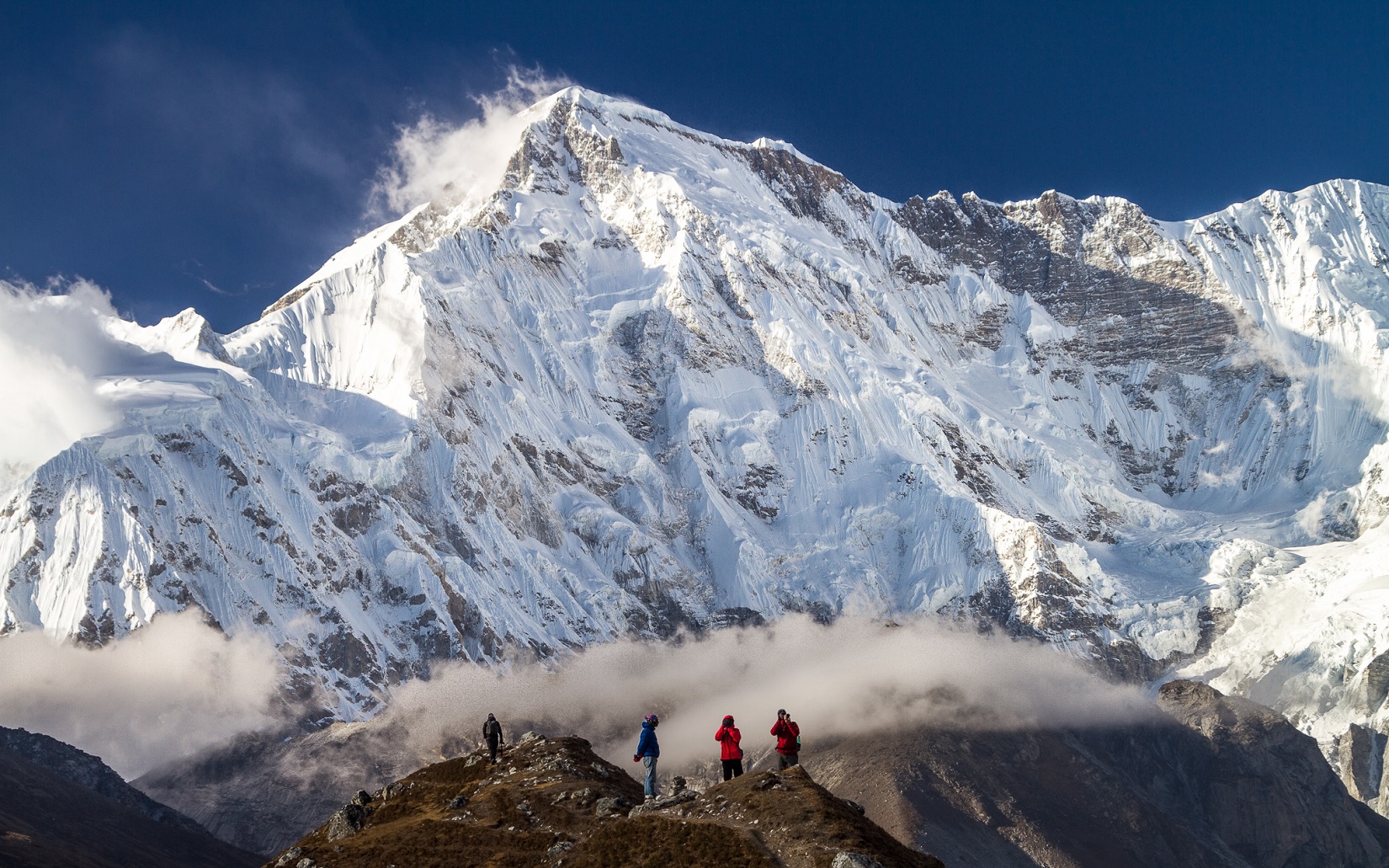
Mount Everest, known as Sagarmatha in Nepal and Chomolungma in Tibet, stands as the highest mountain on Earth, reaching an altitude of 8,848.86 meters (29,031.7 feet) above sea level. Situated in the Himalayas along the border between Nepal and the Tibet Autonomous Region of China, Everest has become a symbol of human endurance and ambition, attracting climbers from around the world.
Geographic and Geological Features
Everest is part of the Himalayan mountain range, which was formed by the collision of the Indian Plate with the Eurasian Plate, a process that began around 50 million years ago and continues today. This tectonic activity is responsible for the ongoing rise of the mountain. Everest, along with its neighboring peaks such as K2 and Kangchenjunga, is a prominent feature of the Himalaya and remains one of the most awe-inspiring landscapes on Earth.
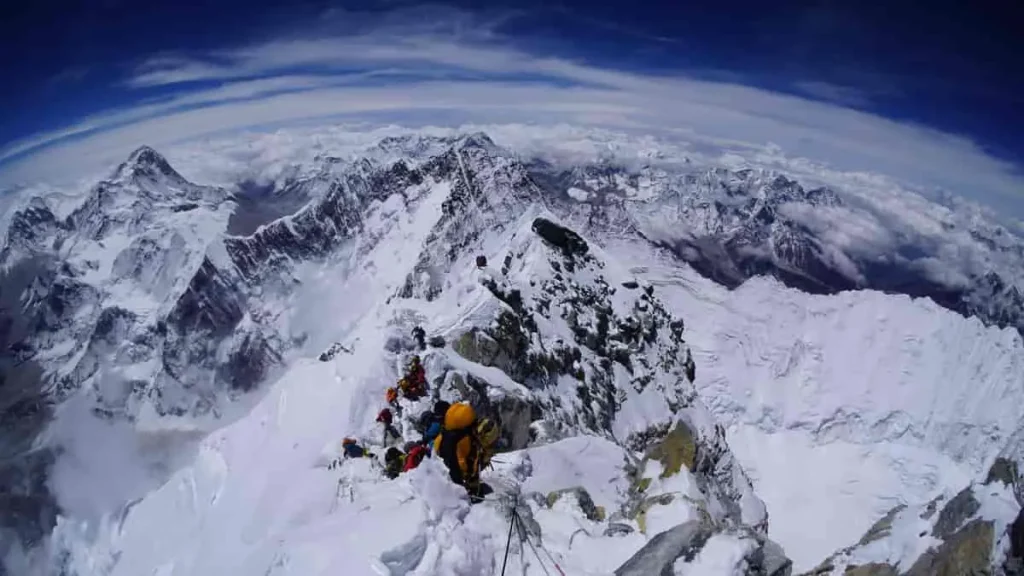
The peak of Mount Everest is located at 27°59’17” N latitude and 86°55’31” E longitude, on the border between Nepal and Tibet. The mountain’s summit is surrounded by massive glaciers, including the South Col, which is one of the key routes for climbers attempting to summit.
Naming the Mountain
The mountain was initially known by the locals in Nepal as Sagarmatha (meaning “Forehead in the Sky”) and in Tibet as Chomolungma (meaning “Mother Goddess of the World”). The name “Mount Everest” was given to the mountain by the British Surveyor General of India, Sir Andrew Waugh, in 1865, after the previous surveyor, Sir George Everest.
While the name “Mount Everest” is widely used internationally, the local names are still preferred by the people of Nepal and Tibet.
First Successful Summit
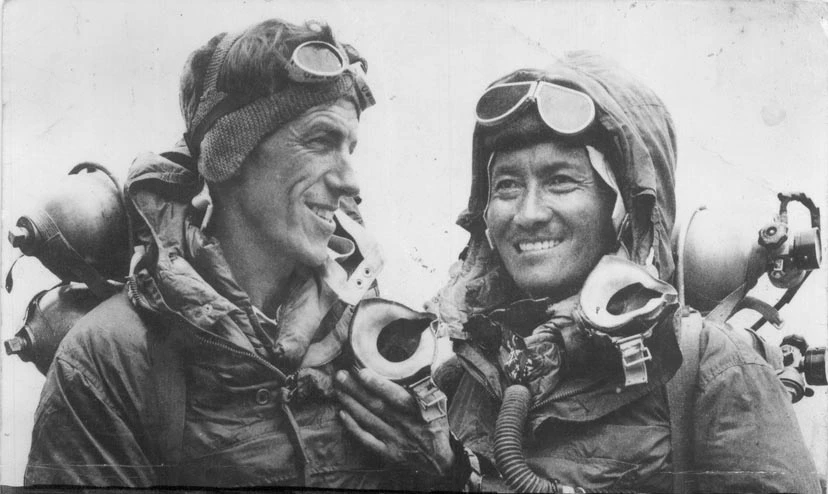
The first successful ascent of Mount Everest was made in 1953 by British mountaineer Sir Edmund Hillary from New Zealand and Tenzing Norgay, a Sherpa of Nepal. They reached the summit on May 29, 1953, as part of a British expedition. Their achievement marked a significant moment in the history of mountaineering and has since inspired countless expeditions to reach the world’s highest point.
The route they took is known as the South Col route, which is still the most popular and most accessible route for climbers today. Their success paved the way for future explorations and summits of the mountain.
Climbing Mount Everest
Climbing Mount Everest is an extreme and dangerous undertaking. The mountain’s high altitude and unpredictable weather conditions, combined with the physical and mental demands of the climb, make it one of the most challenging feats in the world of mountaineering.
There are two main routes for ascending Everest:
- South Col route (from Nepal): The most commonly used and accessible route.
- North Col route (from Tibet): This route is typically less crowded but still challenging, with a different set of hazards.
Climbers typically use oxygen tanks above 8,000 meters (the so-called “Death Zone”), where the level of oxygen is insufficient to sustain human life for extended periods. The lack of oxygen can lead to altitude sickness, and severe cases can result in cerebral edema or pulmonary edema, which can be fatal.
The ascent usually takes about two months, allowing time for acclimatization to the altitude, as well as for waiting for favorable weather conditions.
Dangers and Challenges
- Altitude: The most obvious danger on Mount Everest is the high altitude. At 8,848 meters (29,031 feet), the air contains only about one-third of the oxygen available at sea level. This makes it extremely difficult for the body to function efficiently and increases the risk of altitude sickness, frostbite, and death.
- Weather: The weather on Everest can change rapidly and unpredictably. Snowstorms, extreme cold, and high winds are common, and climbers must be prepared to deal with these hazards.
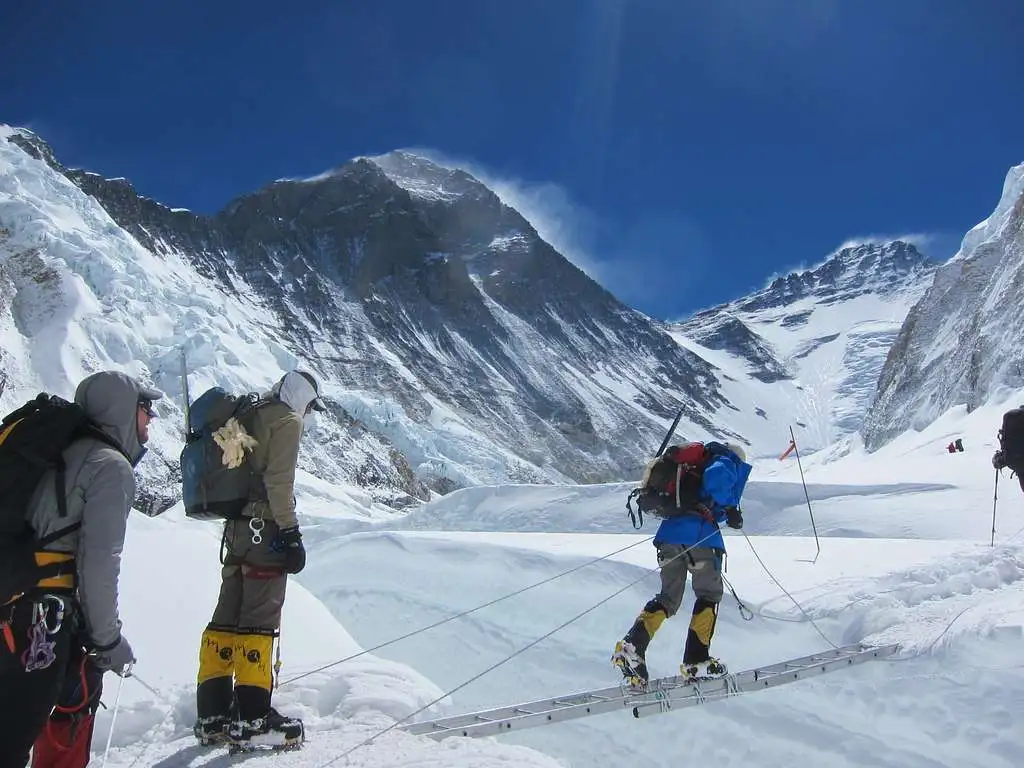
- Avalanches and Rockfalls: The mountain is prone to avalanches, rockfalls, and icefalls. The Khumbu Icefall (on the South Col route) is particularly dangerous due to its shifting ice blocks and crevasses.
- Crowding: In recent years, Mount Everest has become increasingly crowded, with many climbers attempting the summit during the limited “window” of good weather in May. This congestion has led to delays in the summit push, leaving climbers exposed to the dangers of extreme altitude and freezing temperatures for longer periods.
- The “Death Zone”: Above 8,000 meters, the “Death Zone” begins. In this region, the body begins to deteriorate, and without supplemental oxygen, a person cannot survive for long. Even with oxygen, climbers risk permanent damage to their health from prolonged exposure.
- Environmental Impact: The increasing number of climbers has led to concerns about the environmental impact of tourism on Everest. Trash, human waste, and abandoned gear have accumulated at base camps and along the climbing routes. The Nepalese government has introduced measures to clean up Everest, but the problem persists.
Sherpas: The Backbone of Everest Expeditions
The Sherpa people of Nepal are an integral part of Everest expeditions. Sherpas have a deep understanding of the mountain, its weather patterns, and its routes. They serve as guides, porters, and essential support for climbers. The Sherpas’ exceptional ability to handle high altitudes and tough conditions has earned them a reputation as some of the best mountaineers in the world.
The term “Sherpa” is often used to describe anyone from the mountainous regions of Nepal, but it specifically refers to an ethnic group known for their mountaineering skills. Many Sherpas have summited Everest multiple times, with some, like Apa Sherpa and Kami Rita Sherpa, holding the record for the most summits of Everest.

Mount Everest’s Significance in Culture
Mount Everest is not just a physical landmark; it holds significant cultural and spiritual meaning for the local communities. For the Sherpas, it is seen as a sacred mountain, and many climbers perform rituals before attempting the ascent to seek blessings from the mountain gods.
In Tibetan Buddhism, Everest is associated with the goddess Chomolungma, considered to be the protector of the region. For the people living in the shadow of Everest, the mountain is a source of pride, as well as a symbol of the natural beauty and spiritual energy that permeates the Himalayas.
Modern-Day Expeditions
Today, Mount Everest attracts climbers, adventurers, and thrill-seekers from all over the globe. Expeditions are generally well-organized, with extensive logistics and guides. However, climbing the mountain remains a perilous endeavor, and while the summit is within reach for many climbers, it continues to claim lives each year due to the harsh conditions.
As the popularity of Everest climbing has increased, so has the commercialization of the mountain. Guided tours to the summit, often costing tens of thousands of dollars, are available for those who wish to experience the mountain but may not have the technical skills required for a self-guided ascent.
Mount Everest remains one of the greatest challenges in the world of mountaineering, and its summit continues to be the pinnacle of human achievement in the outdoors. While technological advances, such as better climbing gear and weather forecasting, have made it possible for more people to reach the top, the risks and challenges associated with Everest will always keep it an elite and dangerous destination for climbers. Beyond the summit, however, the mountain holds a special place in the hearts and minds of those who attempt it, as well as in the cultures of the people who call the Himalayas home.
