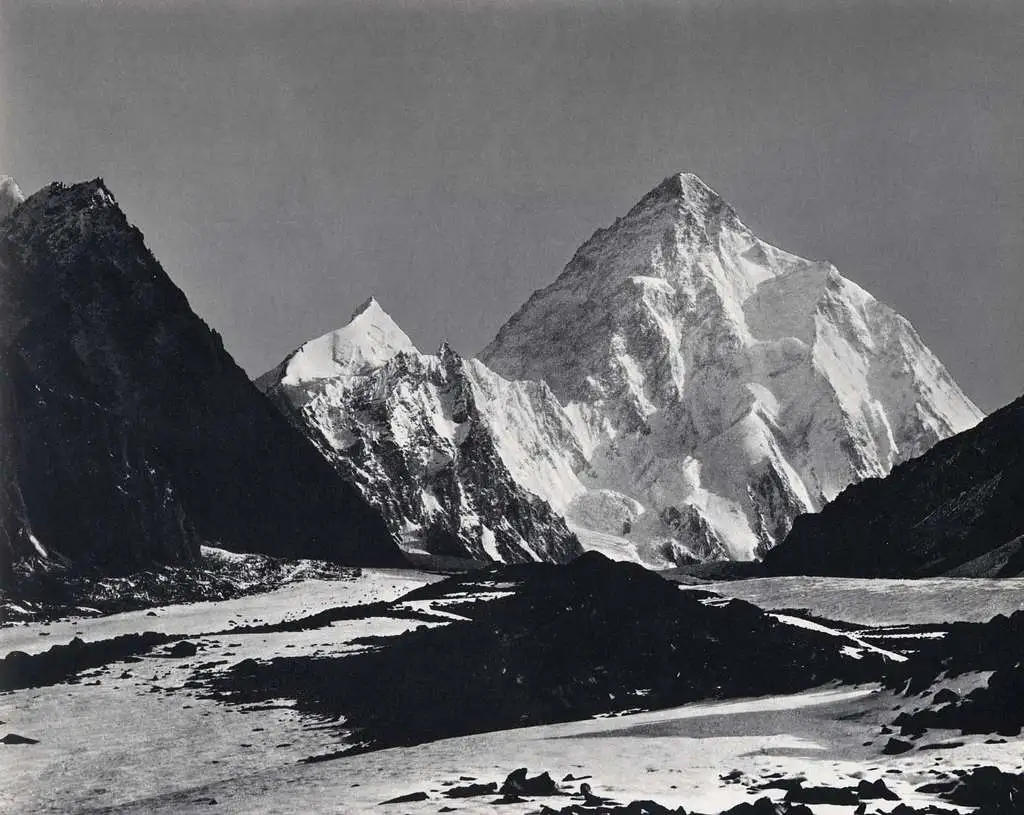
Here is a complete guidence for K2 summit expedition for international climbers ,K2, known as the “Savage Mountain,” is the second-highest peak in the world at 8,611 meters (28,251 feet). Its technical difficulty and extreme conditions make it one of the most challenging mountains to climb. For international climbers, summiting K2 is the ultimate mountaineering goal. This article will guide you through the entire expedition process, from arriving in Pakistan to reaching the summit and returning home, providing detailed insights into the typical itinerary, logistics, and preparation for the ascent.
Day 01: Arrive in Islamabad
The K2 Summit Expedition for International Climbers begins as you arrive in Pakistan’s capital, Islamabad. After your international flight, it’s essential to rest and acclimatize. Islamabad provides a range of accommodation options, and your expedition organizer will ensure all necessary formalities and preparations are handled for this thrilling journey.
Day 02: Briefing at the Ministry of Tourism
On your second day, you will attend a briefing session at Pakistan’s Ministry of Tourism. This mandatory meeting is designed to inform climbers about the national regulations, safety procedures, and the culture of the region. The liaison officer (LO) for your expedition will also meet with you to discuss the details of the climb and finalize any last-minute arrangements.
Day 03: Fly to Skardu (1 hour) or Drive to Chilas
From Islamabad, the next step of the K2 Summit Expedition for International Climbers takes you to Skardu, a picturesque town in northern Pakistan. You can either take a breathtaking flight with stunning aerial views of the mountains or embark on a scenic 8-10 hour drive through the mountainous terrain to Chilas. While flying to Skardu is often preferred for its shorter travel time, some climbers choose the road trip to fully experience the landscapes of the majestic Karakoram Range.
Day 04: Day Free at Skardu or Drive to Skardu (8-10 hours)
If you flew to Skardu, you will have a free day to acclimatize to the high altitude, rest, and make final preparations for the trek ahead. If you drove to Chilas, you’ll continue your journey to Skardu by road, which takes 8-10 hours and offers breathtaking views along the way.
Day 05: Free Day at Skardu for Final Preparation
Skardu serves as the gateway to the Karakoram Range and offers the necessary infrastructure for climbers to rest and finalize their gear checks. You will also meet with your climbing team, guides, and porters to go over the upcoming trek and climb, ensuring everyone is well-prepared for the challenges ahead.
Day 06: Skardu to Askole (6-7 hours)
Your expedition officially begins as you drive from Skardu to Askole, the last village before entering the wilderness of the Karakoram. This 6-7 hour drive is rugged, crossing the barren landscapes of the Skardu valley before reaching Askole, where your trekking team will organize the logistics for the journey.
Day 07: Trek to Jhula near Domardo River (8-9 hours)
On Day 7, you’ll begin the trek into the heart of the Baltoro Glacier region. The 8-9 hour hike takes you along the Domardo River, with the stunning peaks of the Karakoram Range slowly rising above you. The trek is strenuous, but the incredible views make it worthwhile.
Day 08: Trek to Paiyu (5-7 hours)
The next day brings you closer to K2 as you trek to Paiyu, a stunning viewpoint offering panoramic views of the Baltoro South, Cathedral Towers, and the distant K2. The 5-7 hour trek takes you through dramatic terrain, with glimpses of the majestic mountains that surround you.
Day 09: Acclimatization Day at Paiyu (3,600 m)
At Paiyu, you will spend the day resting and acclimatizing to the altitude. This is crucial to avoid altitude sickness and ensure your body is ready for the high-altitude trekking and climbing ahead. You can use this day to explore the local area, go for short hikes, or rest.
Day 10: Trek to Urdukus (8-9 hours)
From Paiyu, you will trek to Urdukus, located at an altitude of approximately 4,200 meters. The trek is challenging but rewarding, offering breathtaking views of peaks like Paiyu Peak, Chorichi, Uli Biaho, and the famous Trango Towers. The 8-9 hour trek along the lateral moraine of the Baltoro Glacier brings you closer to the heart of the Karakoram Range.
Day 11: Trek to Goro II (4500 m)
The trek to Goro II is difficult, especially in the first hour, which involves crossing crevasses. However, as you move farther, the terrain becomes easier. After 3-4 hours of hiking, you will arrive at the campsite, located at 4,500 meters on the glacier. The views from Goro II are stunning, with snow-capped peaks surrounding the campsite.
Day 12: Trek to Concordia (4,700 m)
On Day 12, the trek to Concordia takes 5-6 hours, with less difficult terrain. Concordia is one of the most iconic locations in the Karakoram, as it offers panoramic views of several major peaks, including Mustagh Tower, GB IV, Mitre Peak, and the towering K2. The camp at Concordia is situated at 4,700 meters and serves as a major milestone before heading to K2 Base Camp.
Day 13: Trek to K2 Base Camp (4-5 hours)
The final approach to K2 Base Camp is an awe-inspiring 4-5 hour trek, where you will see K2’s majestic face looming closer. Reaching Base Camp at 5,150 meters marks a significant achievement in your expedition, as you settle in for the ultimate ascent.
Day 14-49: Climb K2
Sumitting K2 is the pinnacle of any mountaineer’s journey, but it is a complex and lengthy process. The number of days needed to summit K2 varies depending on weather conditions, the climber’s fitness, and the route taken. Climbers typically spend several weeks acclimatizing, resting, and preparing between ascents, with the final push to the summit being an intense and dangerous challenge. Expect this stage to take several weeks, during which you will contend with extreme cold, high winds, and unpredictable weather.
Day 50-56: Return to Askole or Hushe and Drive to Skardu
After the summit push, climbers begin their descent. Depending on the route chosen, you may return to Askole or continue through the Gondogoro Pass, which offers a quicker route back to Skardu. The descent typically takes 7-10 days, during which you will retrace your steps along the Baltoro Glacier and surrounding valleys.
Day 57: Fly to Islamabad or Drive to Chilas
Once you have returned to Skardu or Chilas, you will either fly back to Islamabad or take the scenic road drive. This part of the journey allows you to reflect on your incredible accomplishment while taking in the last views of the Karakoram mountains.
Day 58: Day Free at Islamabad or Drive to Islamabad
Upon arrival in Islamabad, you will have a day to rest, visit local markets, or explore the cultural sites of the capital city. Many climbers also use this time to unwind after the physically demanding expedition.
Day 59: De-Briefing at the Ministry of Tourism
You will return to the Ministry of Tourism for a debriefing session where you will share your experience and provide feedback on the expedition. This meeting also marks the formal conclusion of your journey, and you will finalize any necessary paperwork.
Day 60: Fly to Your Destination
After nearly two months of intense adventure, the K2 Summit Expedition for International Climbers culminates as you board your flight home, cherishing the unforgettable memories of your epic journey to summit K2.
Key Considerations for Climbing K2
- Altitude and Acclimatization: Ensure proper acclimatization throughout the trek and climb to reduce the risk of altitude sickness.
- Physical and Mental Fitness: K2 is a physically demanding climb that requires strength, endurance, and mental fortitude. Regular physical training, including mountaineering and technical skills, is necessary to prepare for the challenges.
- Experienced Guides: A professional team of experienced guides and Sherpas is essential for a successful ascent. Their knowledge of the mountain and safety procedures is invaluable.
- Weather: Weather conditions on K2 are unpredictable, and the summit window is often short. Being flexible with the schedule is important for success.
- Climbing Gear: High-quality mountaineering gear is critical, including ice axes, crampons, ropes, helmets, clothing, and tents suitable for extreme cold.
For those who dream of standing on the summit of K2, the journey is long, challenging, and rewarding. With careful preparation, a solid team, and a respect for the mountain, you can experience the thrill of reaching the top of the world’s second-highest peak.
