
The Sherpa people are an indigenous ethnic group from the mountainous regions of Nepal, primarily known for their role as expert guides and climbers in the Himalayas. They have a deep cultural connection to the high-altitude environment and are renowned for their exceptional physical endurance and knowledge of the mountains, which makes them indispensable to mountaineering expeditions, particularly in the Everest region.
Here are some key aspects about the Sherpa people:
1. Ethnicity and Origin
- The Sherpas are of Tibetan origin, and their language, Sherpa, belongs to the Tibeto-Burman language family. They migrated to Nepal from the Tibetan Plateau many centuries ago.
- The name “Sherpa” means “eastern people” (from “shar” meaning east and “pa” meaning people in Tibetan).
- While many Sherpas live in Nepal, there are also communities in northern India and parts of Tibet.
2. Geography
- Most Sherpas live in the Solukhumbu region of eastern Nepal, near the famous Everest (Sagarmatha) and Annapurna mountain ranges. The towns of Namche Bazaar and Phakding are popular Sherpa settlements.
- Their villages are located at high altitudes, typically above 3,000 meters (9,800 feet), where they have adapted to life in challenging conditions with low oxygen levels.
3. Religion
- The majority of Sherpas practice Tibetan Buddhism, which significantly influences their way of life, festivals, rituals, and worldview.
- Many Sherpa communities have strong ties to monasteries and lama (spiritual leader) traditions. They often build stupas and prayer wheels along the trails to Everest and other regions, reflecting their Buddhist devotion.
4. Mountaineering Expertise
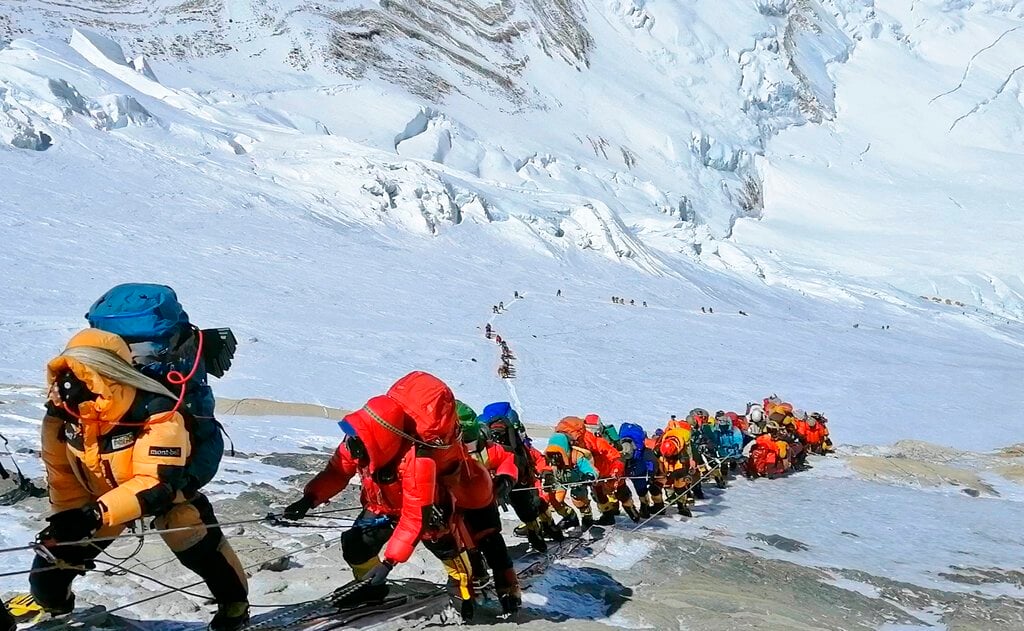
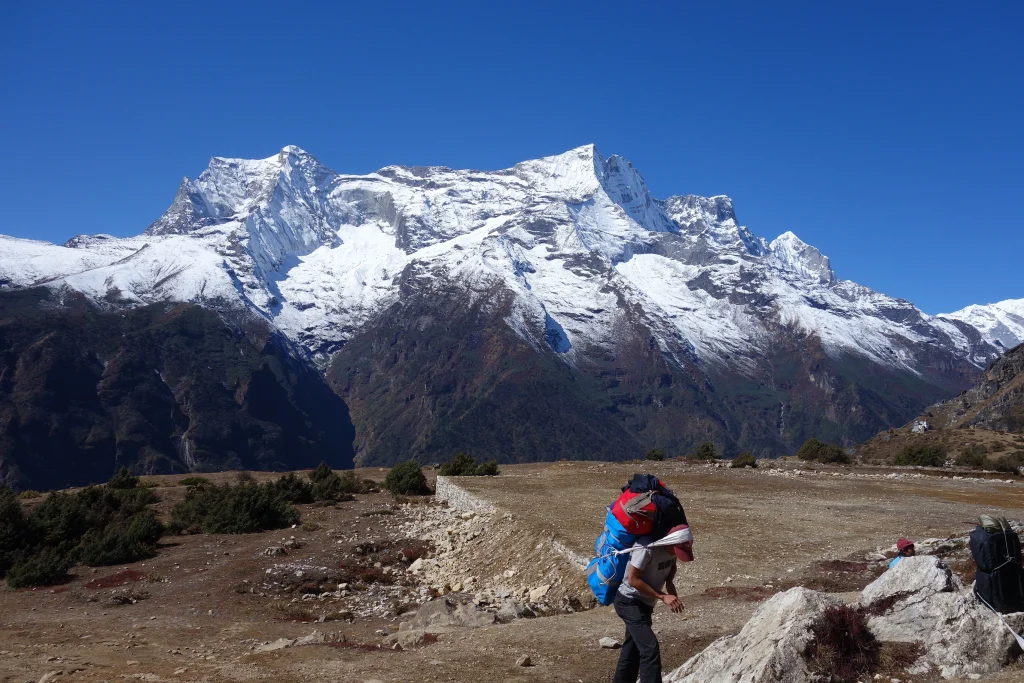
- Sherpas are globally renowned for their work as mountain guides, porters, and climbing experts. Their exceptional acclimatization to high altitudes and ability to endure harsh conditions make them ideal for guiding expeditions in the world’s highest mountains, including Mount Everest.
- The term “Sherpa” is often used internationally to refer to any mountain guide in the Himalayas, although the Sherpas themselves view this as a simplification of their unique heritage.
- Notable Sherpa climbers include Tenzing Norgay, who, alongside Sir Edmund Hillary, was the first person to summit Mount Everest in 1953. Other well-known figures include Apa Sherpa, who holds the record for the most summits of Mount Everest (21 times), and Mingma Sherpa, a notable mountaineer in his own right.
5. Lifestyle and Culture
- Sherpas traditionally live in wooden houses built with stone and thatched roofs. Their homes are designed to withstand the harsh weather conditions of the Himalayas.
- They practice subsistence farming, growing crops like barley, millet, potatoes, and vegetables. They also raise livestock, including yaks, which are essential for carrying loads in the rugged terrain.
- Sherpa women often engage in household tasks, farming, and helping with tourism-related activities, while men are more involved in guiding and trekking.
6. Language
- The Sherpa language, also called Sherpali, is a Tibetan dialect that is spoken by most Sherpas in Nepal. However, many Sherpas also speak Nepali and English, particularly those involved in tourism and mountaineering, to communicate with trekkers and climbers.
- Sherpali is not written down in its traditional form, but Romanized scripts are increasingly used for communication.
7. Impact of Mountaineering
- The Sherpa people’s role in the mountaineering industry has been both a source of pride and a cause of hardship. While many Sherpas have earned significant income from guiding, the profession is also extremely dangerous. Sherpas face risks such as avalanches, falls, and severe altitude sickness. The 2014 Everest avalanche and the 2015 Nepal earthquake highlighted the dangers associated with mountaineering.
- Despite these challenges, Sherpas are integral to the success of mountaineering expeditions, and their contributions to Himalayan exploration are highly valued worldwide.
8. Social Issues
- Economic Challenges: While mountaineering has brought wealth to some Sherpas, many still live in poverty. The benefits of the tourism and climbing industries are not always equally distributed.
- Education and Modernization: In recent years, Sherpa communities have seen improvements in education and infrastructure. However, traditional practices remain strong, and there is a growing movement to balance modernity with cultural preservation.
- Women’s Rights: Women in Sherpa communities traditionally played a supporting role in family life and economic activities. In recent decades, there has been a rise in women’s participation in education and work outside the home, though traditional gender roles still hold significant sway.
9. Famous Sherpas
- Tenzing Norgay: One of the most famous Sherpas, he was part of the first successful ascent of Mount Everest with Sir Edmund Hillary in 1953. His legacy as a mountaineer is deeply ingrained in Sherpa culture.
- Apa Sherpa: Known as the “Everest King,” Apa Sherpa holds the record for the most summits of Mount Everest.
- Ang Rita Sherpa: Another record-holding mountaineer who ascended Everest 10 times without supplemental oxygen.
- Kami Rita Sherpa: Another prominent Sherpa climber who has summited Mount Everest multiple times (over 30 times, as of 2023).
Read About Mount Everest: The World’s Highest Peak
10. Sherpa Cuisine
- Traditional Sherpa food is hearty and designed to provide sustenance for people living at high altitudes. Common dishes include dal bhat (lentil soup with rice), momo (dumplings), and thukpa (noodle soup).
- Sherpas also drink butter tea (made with yak butter), which helps to provide energy and warmth in the cold environment.
The Sherpa people are an integral part of Nepal’s cultural and natural landscape. Their unique relationship with the Himalayas, deep-rooted spirituality, and expertise in high-altitude climbing have made them famous worldwide. However, they face challenges related to economic development, environmental changes, and the pressures of modern tourism. Despite these challenges, the Sherpa community continues to thrive and play a vital role in the adventure tourism industry, particularly in mountaineering and trekking.
