“The mountains call to me, and I must go.”
“The mountains call to me, and I must go.” These words belong to the renowned Scottish mountaineer, geologist, and writer John Muir. If you ask me, this feeling can resonate with anyone. From living in the lap of the Margalla Hills to regularly witnessing the serene Jhelum River, every few months, some mountain beckons me. And like a lover answering their beloved’s call, I have no choice but to go.
The invitation to the fairyland of Fairy Meadows had been pending for quite some time, but escaping the hustle and bustle of life is never easy. The tales of fairylands I read as a child in the stories of Umro Ayyar have always lingered in a corner of my mind. While returning to those vibrant childhood dreams is almost impossible after stepping into the real world, sometimes those tales resurface as fleeting thoughts, momentarily unlocking the hidden chambers of the imagination.
As I reached a more mature age, I came across the tales of this fairyland in Mustansar Hussain Tarar’s travelogue “Nanga Parbat.” As I grew older, a program by Waqar Malik ignited a spark in my heart, making me yearn to visit the land of fairies.
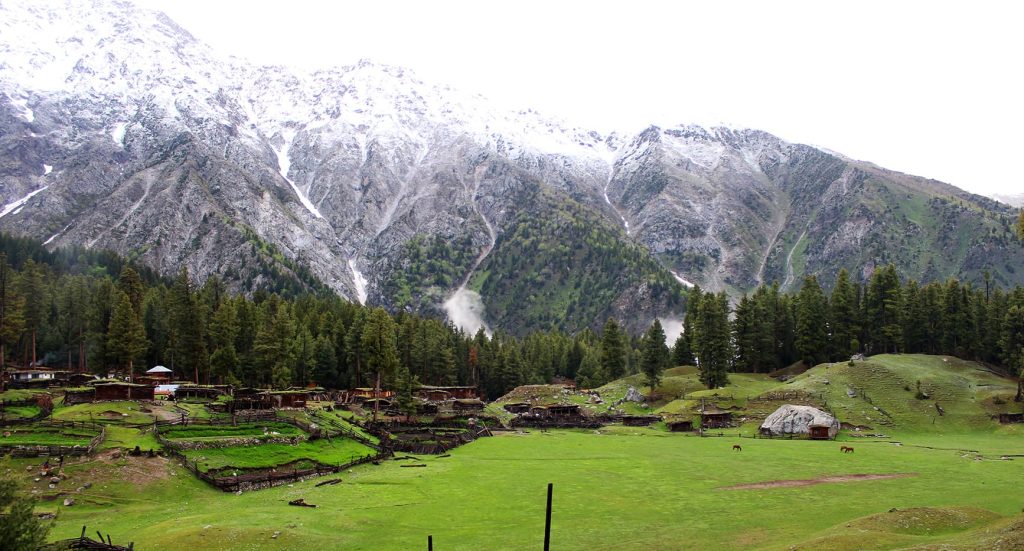
Fairy Meadows is located at an average altitude of 3,300 meters above sea level. On the Karakoram Highway, the road ends at Raikot, situated 540 kilometers from Islamabad, where a paved road terminates. From there, a rented jeep takes you to the village of Tato in about one and a half to two hours.
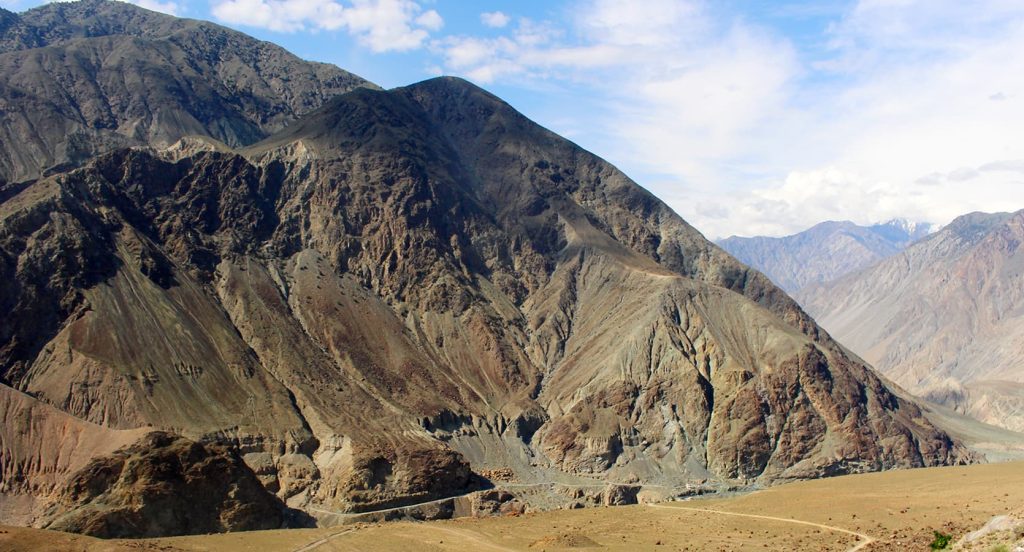
In summer, Raikot experiences intense heat. The rocky mountains and the sand along the banks of the Indus River express the closeness to the sun through their scorching warmth. After boarding the jeep, you begin a long and steep ascent from Raikot, winding and twisting through the landscape. After several turns and gaining significant height, you finally arrive at Tato.
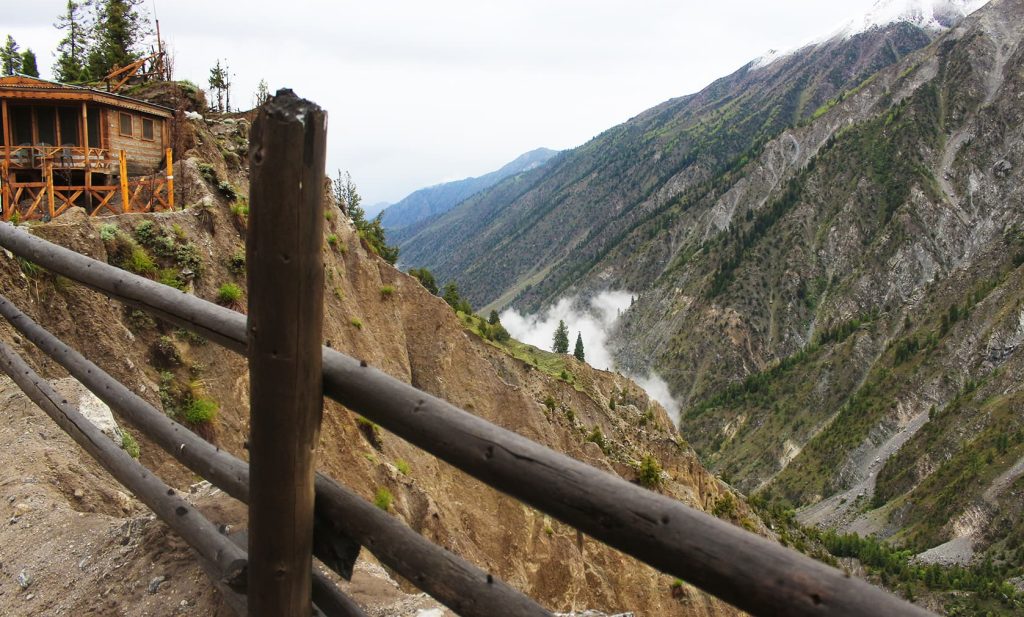
This track is a rugged path nestled between towering mountains, thousands of feet high. On the right, steep, dry, and perilous peaks reach up to the sky, while on the left, a stormy stream flows thousands of feet below. On the opposite bank of the stream, the mountain range continues alongside. The ancient four-wheel jeep bounces over the stones, sending shivers through the travelers as it swiftly ascends towards the sky.
As you gain some altitude, the view below seems like a scene from a film depicting moments after a great catastrophe, as if the set was preserved just as it was. A vast field with large and small rocks scattered chaotically— or perhaps their arrangement was intentional— it gave the impression that this was an image taken by a satellite from another planet.
Many people, during their jeep ride on this track, find themselves asking for forgiveness for sins they haven’t even committed yet. But for me, this journey was immensely beautiful— the views and emotions can’t be put into words. Only the locals are capable of driving jeeps on this track, and their incredible skill must be acknowledged.
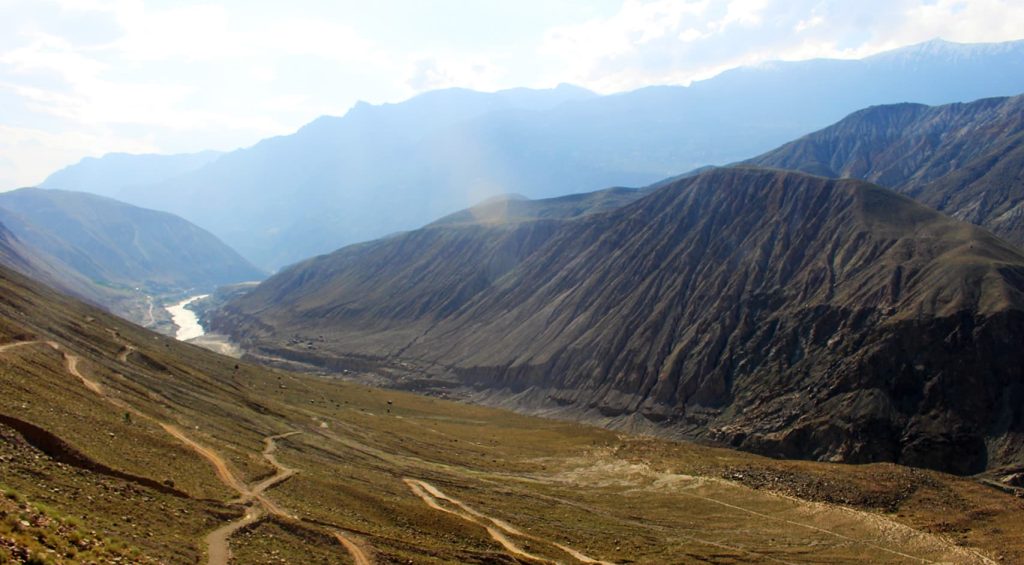
At some turns, you might catch a glimpse of Nanga Parbat peeking from behind the mountains, while at other turns, the snow-capped peak of Rakaposhi reveals itself. Who would want to think about the thousands of feet deep gorge below?
The jeep track leads to the village of Tato, from where you have to continue the journey on foot. Alternatively, you can hire a horse or a mule from the village. If you have a lot of luggage, you can also arrange for a porter from Tato to help make your journey easier. After getting off the jeep, I met Rozi Bhai, who was heading to Fairy Meadows.
Rozi Bhai, who claims to be 55 years old, lives in the village of Fairy Meadows with his 13 children and one wife. Along with performing the Hajj pilgrimage, he has also summited four local peaks. At this stage of his life, he is so strong that he once pulled a person up with 20 kilograms of weight.
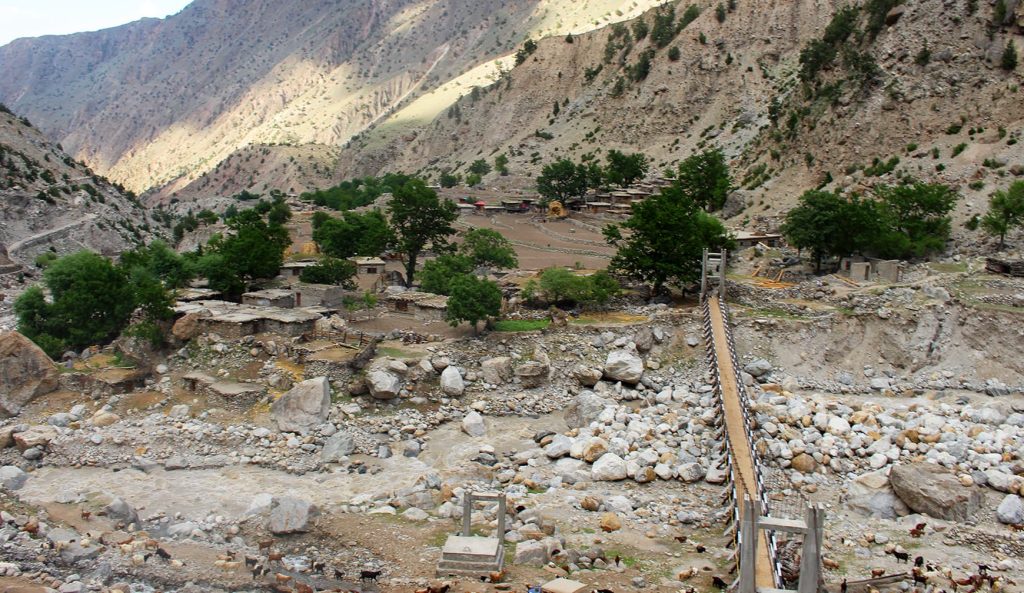
The journey from Tato to Fairy Meadows begins with a continuous uphill trek. Since the ascent is at a considerable altitude, many people consider this hike to be quite challenging. To those people, I would say, imagine the views that await you after overcoming such a minor difficulty. This thought will provide you with the encouragement you need as you walk. The trek takes about two to four hours to complete, but for someone younger and more refreshed, this duration can feel even shorter.
Throughout the trail, dense forests accompany you. The views I mentioned earlier—those that will encourage you to keep going—begin to unfold in the form of Nanga Parbat, making you feel that the effort of the trek is truly worth it.
The source of the Raikot River, the Raikot Glacier, comes into view, with the river flowing from it, creating a breathtaking sight. The view of the cave-like glacier is so mesmerizing that for those who have never seen a glacier, it may take some time to convince themselves that this is indeed the terminus of a glacier.
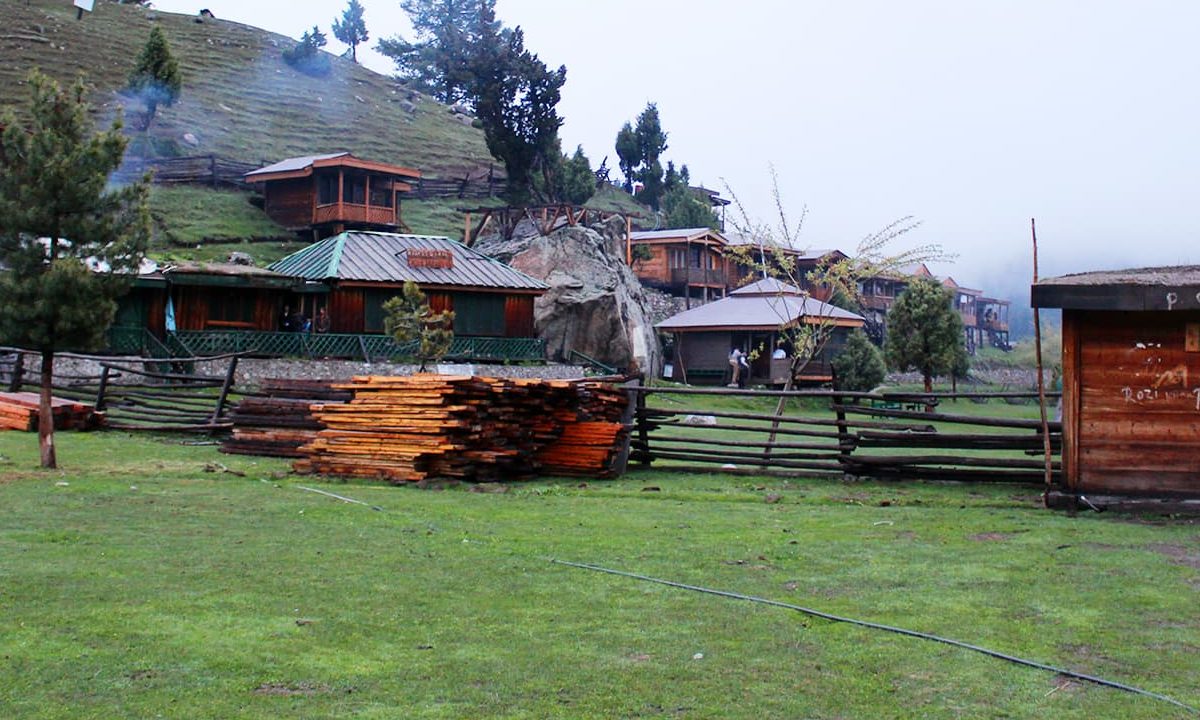
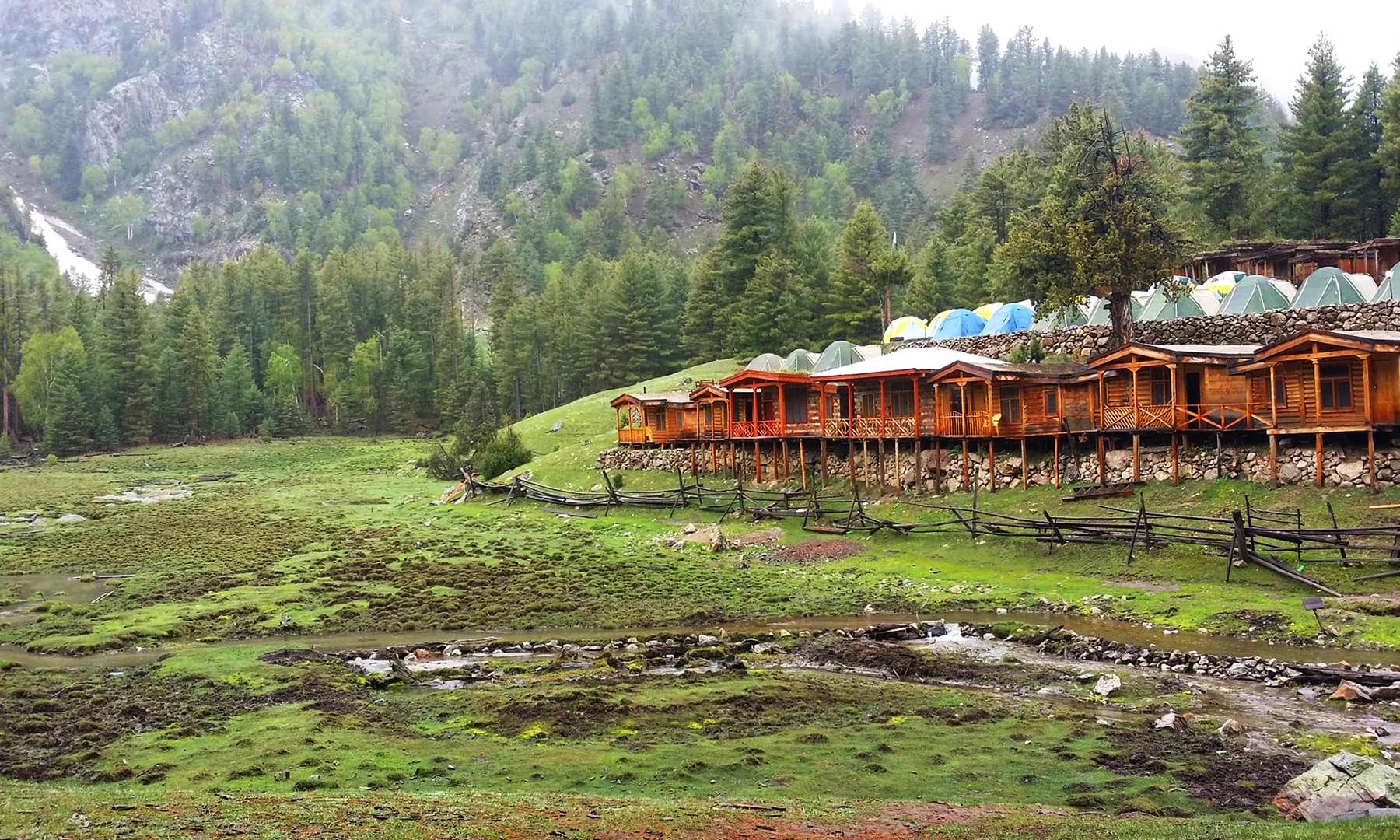
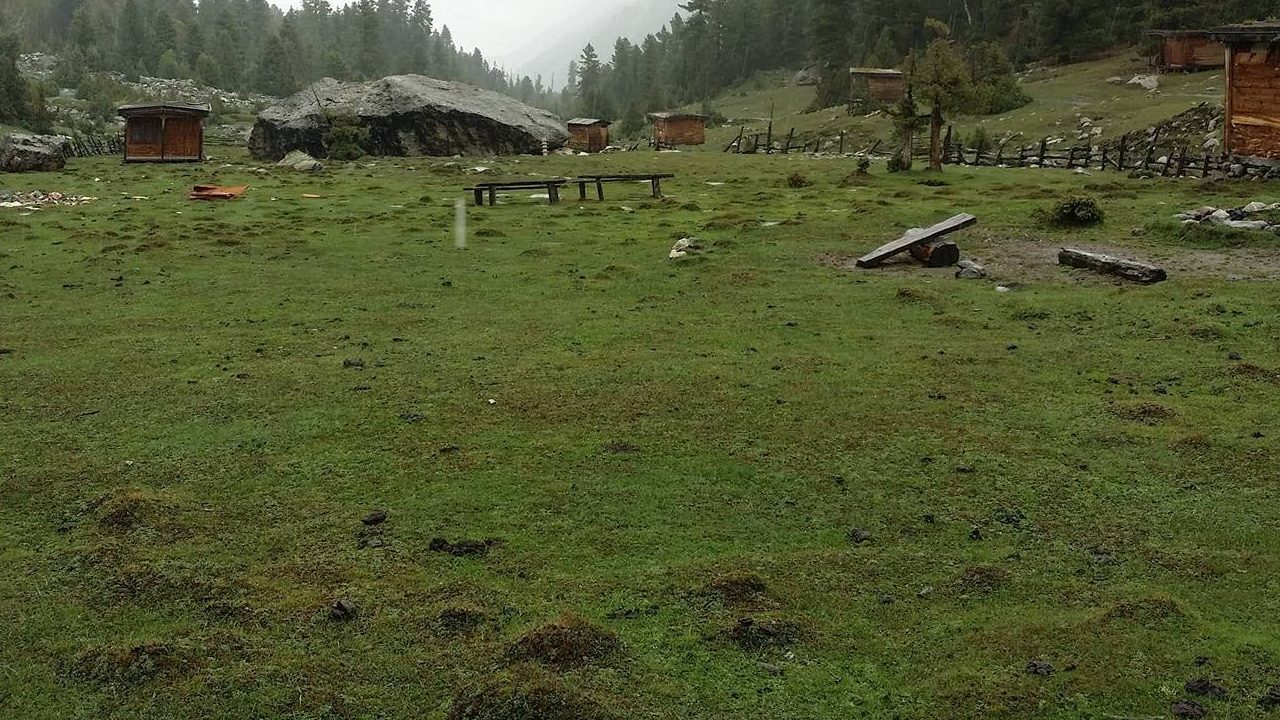
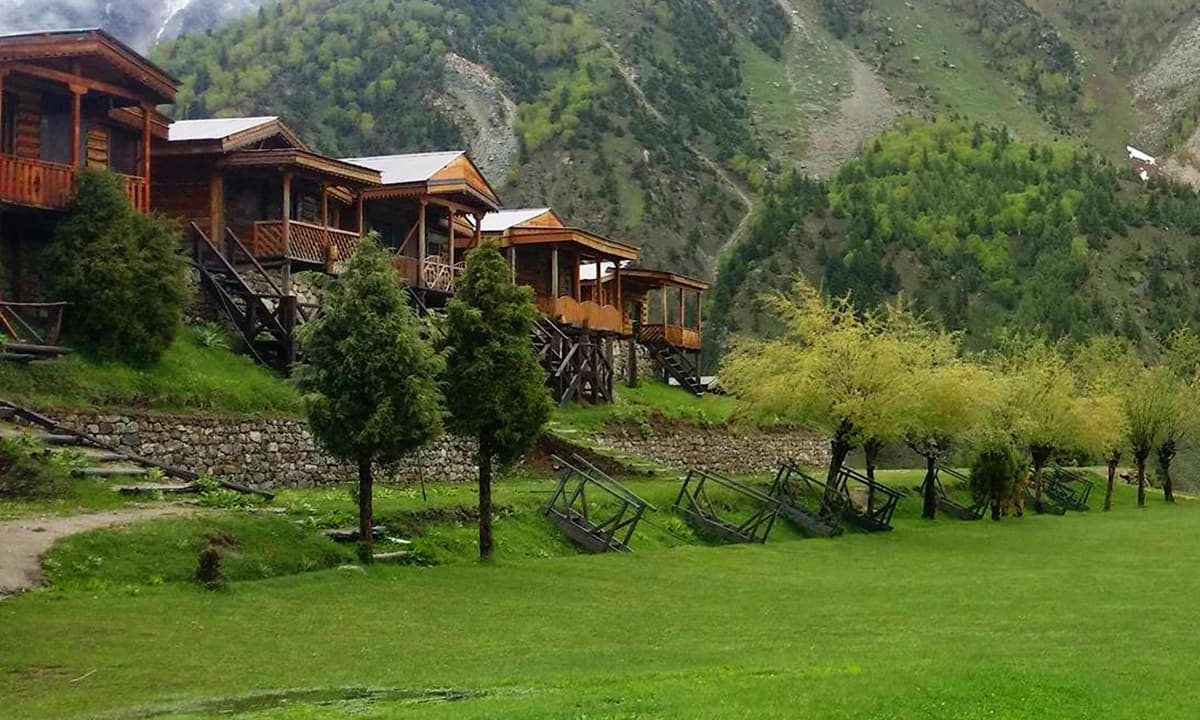
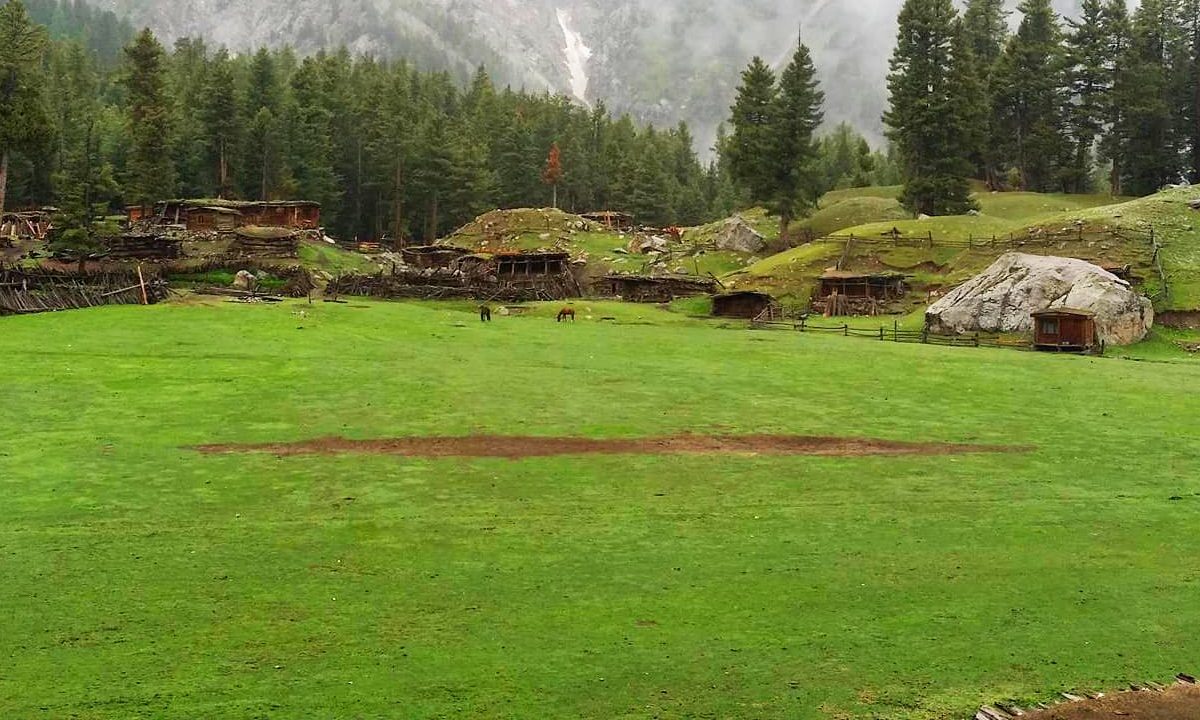
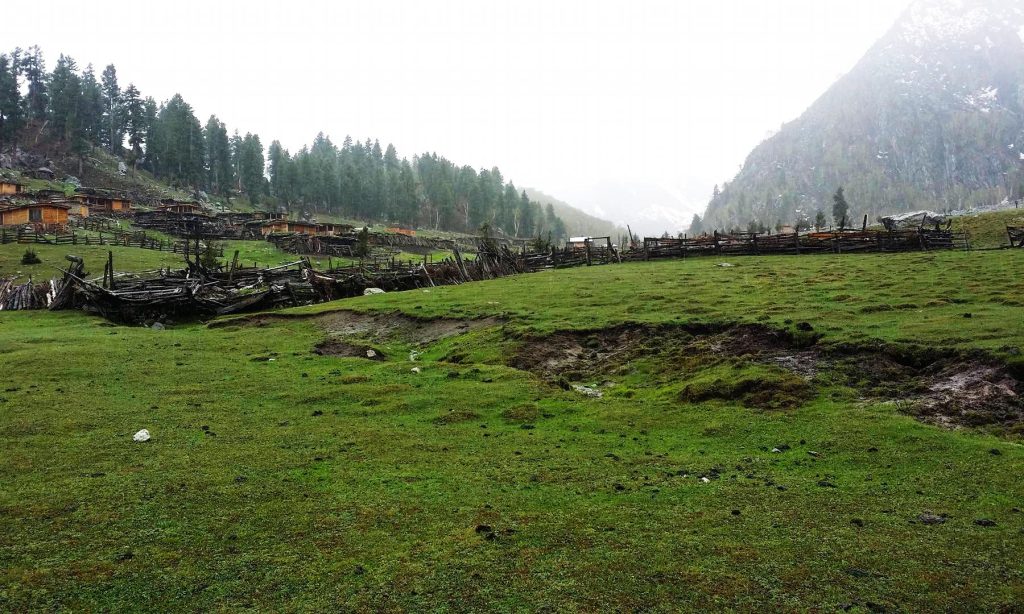
After about two kilometers, a roadside dhaba appears, and its tea feels like the most delicious in the world. As we ascended, the weather started to change, with dark clouds surrounding the mountains instead of the bright sunshine, and a light drizzle added a romantic touch to the atmosphere. The clouds quickly dimmed the light, and by the time we reached Fairy Meadows, darkness had spread around, even though it was a full moon night. Nanga Parbat, despite the moon, had veiled itself in a curtain of clouds.
Where Chilas had a temperature of 38°C, Fairy Meadows was at 0°C. The combination of exhaustion and the freezing night made sleep inevitable. When I woke up at dawn, the view of Nanga Parbat from the window presented a scene from another world. Although the light was dim, the majestic mountain still radiated its deadly charm.
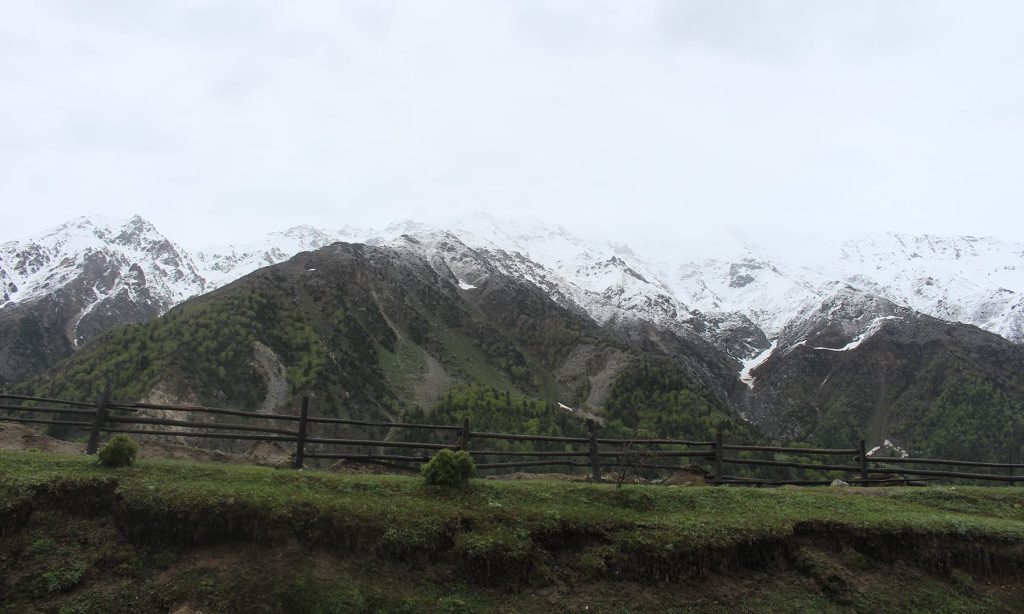
The fascinating part was that this deadly beauty had donned a white blanket of snow, but the joy and beauty proved to be temporary as the clouds once again enveloped the mountains. These traits of Nanga Parbat earned it the title of “The Bride,” and many people stay in Fairy Meadows just to catch a glimpse of it.
But this time, Nanga Parbat had decided not to reveal itself. Despite staying for two days, I was deprived of seeing the mountain. What I had glimpsed for a few moments was not Nanga Parbat, but a mountain deeply covered in snow.
At 8,125 meters, Nanga Parbat is Pakistan’s second-highest peak and the ninth-highest in the world. It is also known as one of the most challenging mountains, which has claimed the lives of over 40 mountaineers. This is why it is famously called the ‘Killer Mountain.’ Locally, it is known as Diemar, and the surrounding area carries the same name. The reason behind Nanga Parbat’s name lies in the fact that due to its extreme altitude, snow does not settle on its summit, giving it this distinctive name.
After breakfast, Ali and I planned to step outside for some fresh air, despite the rain. Ali, a banker by profession, shares my adventurous spirit. We never imagined that in such heavy rain, likely with slippery paths and sub-zero temperatures, we would manage to reach the Bial Camp. This camp is known as Nanga Parbat’s “second last” camp.
The track to Bial Camp was extremely slippery due to the rain, and at a few spots, it felt like we might end up as part of the Raikot Glacier. We decided to take a new risk, leaving the main trail and heading through the jungle towards the Bial Camp.
The jungle was filled with various beautiful trees, green meadows, flowers, streams, and waterfalls, with the water flowing melodiously. The songs of beautiful birds in their sweet voices brought a sense of refreshment and a new life to our spirits.
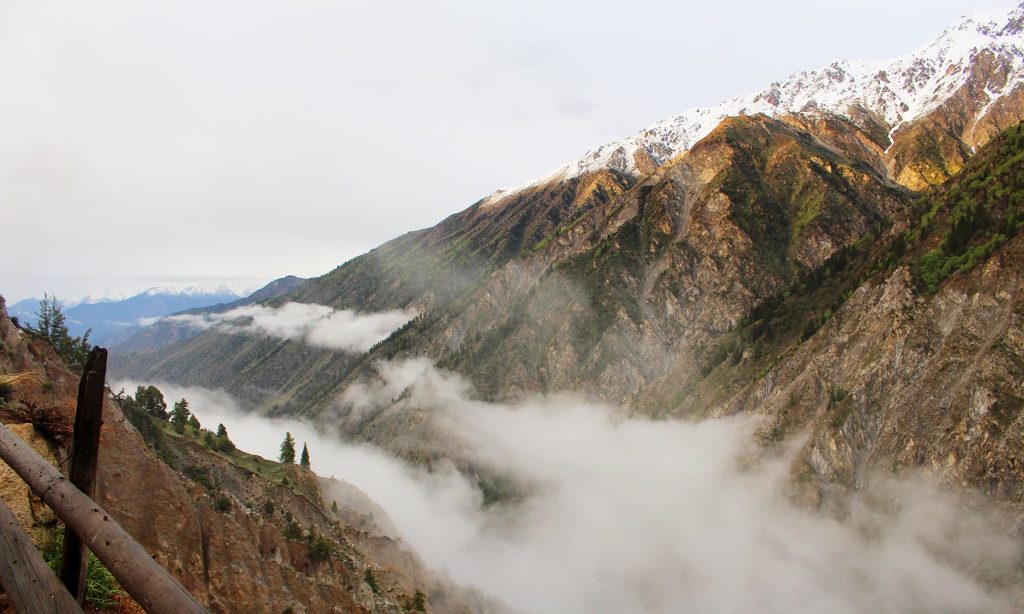
The path to Bial Camp is a passage through the most beautiful sights. On the right, the water flowing down from the base of Nanga Parbat in the form of streams, along with rivers and springs flowing through pine forests, create a stunning scene. On the left, the water falls into a ravine, adding a unique charm to the landscape. Despite the dangerous nature of the trail, it is considered one of the most beautiful paths in the world.
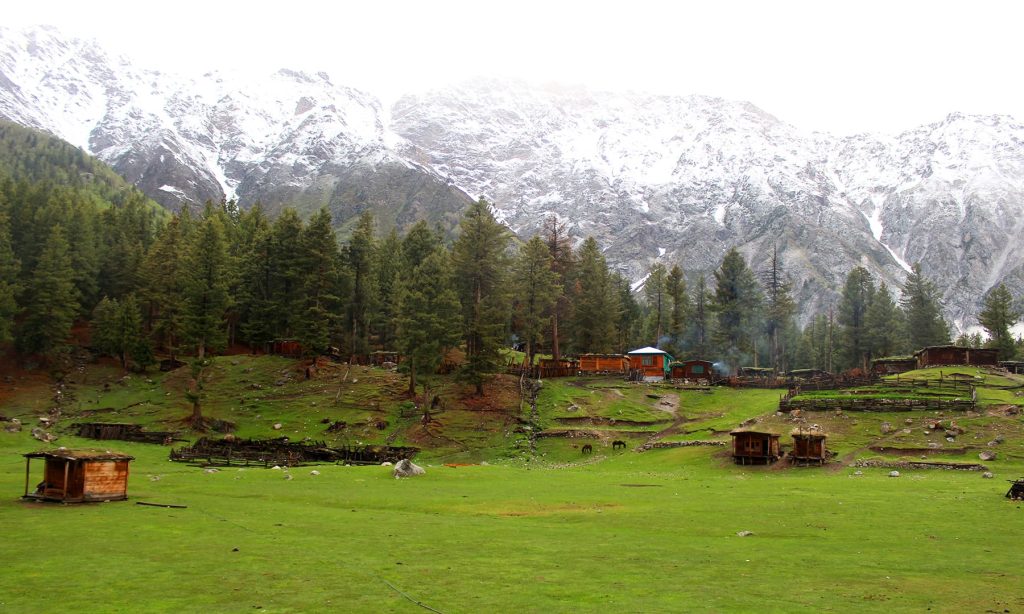
Nanga Parbat is the only mountain over 8,000 meters in height that has such a dense pine forest at its base. (There are a total of 14 peaks over 8,000 meters, five of which are in Pakistan). Around most of the world’s highest peaks, glaciers and snow-covered summits are found, but on one side of Nanga Parbat lies the captivating Deosai Plateau, while on the other side, Fairy Meadows boasts such dense forests.
However, as we ventured further, the awe-inspiring sights began to fade. Every fifth tree seemed to be cut down. After seeing so many felled trees, I began to suspect that in a few years, this forest might not be here. Leo Tolstoy once wrote that the first condition for living a joyful life is that the bond between man and nature should not be broken. But as a nation, how often do we stop to reflect on such matters?
Bial Camp appeared as a beautiful, vast green meadow, with a clear, transparent stream flowing right through the center. On the right side of the stream, tall, lush green mountains rose, while on the left, various trees stretched upwards to great heights. The sound of the flowing water only enhanced the charm of this picturesque valley. Dozens of huts had been built, but there was not a soul in sight — perhaps no one had expected anyone to come this way in such weather. After spending some time, we began our journey back towards Fairy Meadows.
In the rain, we descended from Fairy Meadows to Ratti Kote, but my heart was still lingering at that wooden bench in Fairy Meadows, where Nanga Parbat stood revealed in all its angles. However, even when I reached there, I found myself unable to witness the beauty of this magnificent mountain. Or perhaps Nanga Parbat was inviting me back, wanting to call me once more to experience its enchanting paradise.